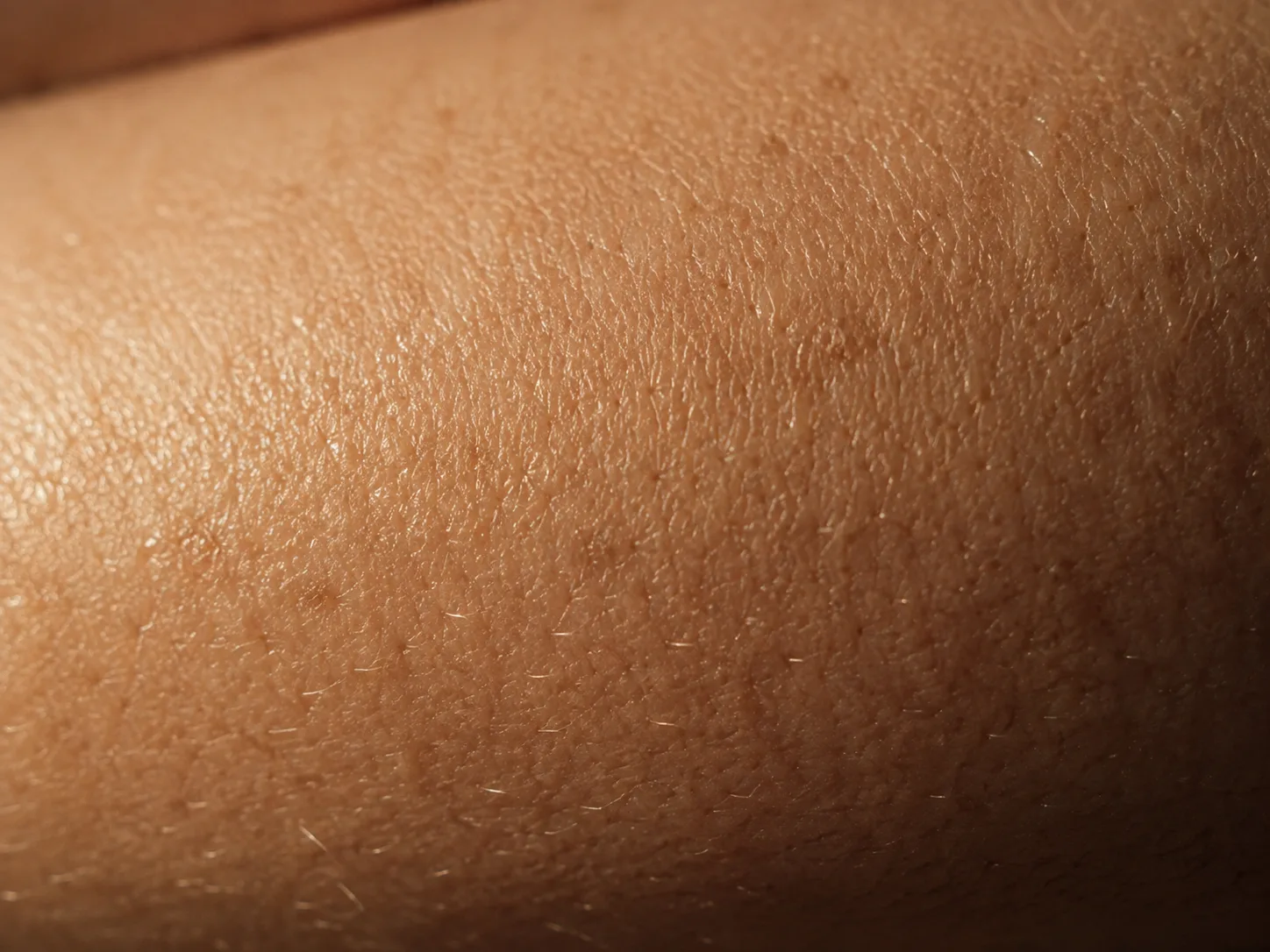

The spot goes. The mark stays. For a lot of people this is the more frustrating half of the problem, partly because it lasts so much longer and partly because it is widely misunderstood.
Two different things
Flat discolouration — a pink, red, brown or purple patch where the spot was, level with the surrounding skin. This is pigment and lingering inflammation, and it fades. Slowly, but it fades.
Textural scarring — an indentation or a raised area where the surface itself has changed. This does not fade on its own, and the things that meaningfully improve it are procedures, not products.
Working out which you have is the first step, because it determines whether patience is a strategy or a delay.
The single biggest factor
Sun exposure. Ultraviolet light drives pigment production, which is precisely what you are waiting to fade. Working on marks without daily sunscreen is running a bath with the plug out — and this holds for cloudy days and near windows too.
If you do one thing about marks, it is this one, and it is more effective than any serum you can put on top of it.
What can help alongside it
- Niacinamide — steady, well tolerated, commonly used for evenness of tone. Slow.
- Vitamin C — an antioxidant typically used in the morning alongside sunscreen. It degrades over time, so a smaller bottle you finish beats a large one you do not.
- Gentle exfoliation — can help surface tone read as more even. Two or three nights a week is plenty; more is not faster.
The thing that makes marks worse
Picking. It extends the inflammation, and inflammation is what drives the pigment. It is a genuinely hard habit to break, and it is worth more effort than any product on the list above.
A realistic timeline
Months. Sometimes many of them, and longer on deeper skin tones where post-inflammatory pigment tends to be more persistent. That is not a failure of your routine — it is the pace of the thing. If it is not shifting at all, or if you suspect textural scarring, a dermatologist has options that skincare does not.