"Moisturiser" is one word for at least three different jobs. Knowing which job you actually need is the difference between a product that works and a product that feels nice for twenty minutes.
Humectants: pull water in
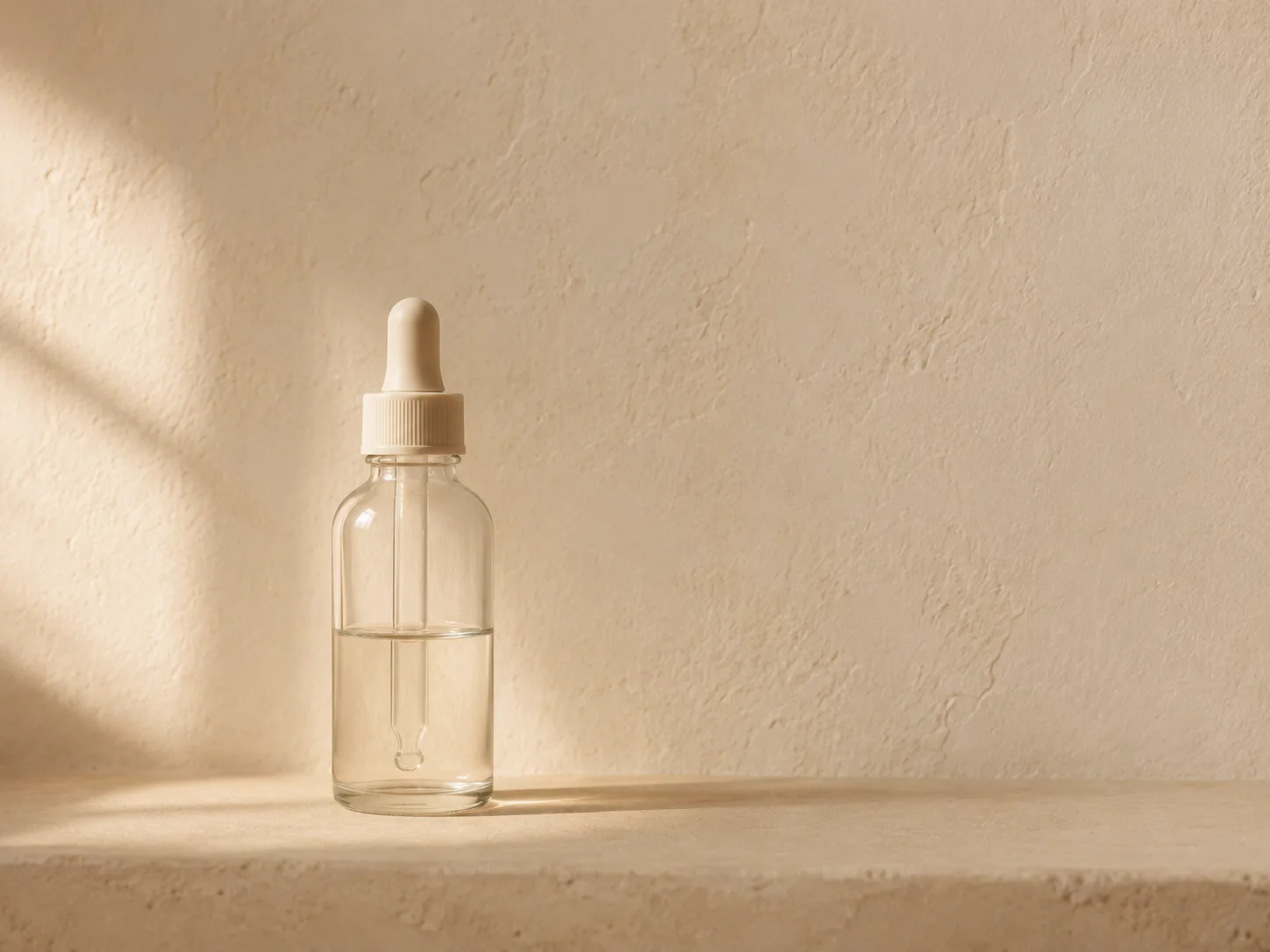
Glycerin, hyaluronic acid, urea, panthenol. These attract water into the upper layers of skin. They are light, they suit almost every skin type, and they are the right answer for dehydration.
The catch: they draw water from wherever it is available. In dry air, with nothing sealing them, they can end up pulling from deeper in the skin rather than from the atmosphere. Apply them to slightly damp skin and put something over the top.
Emollients: smooth the surface
Squalane, fatty acids, ceramides, many plant oils. These sit between the cells at the surface and make skin feel soft and even. This is the category responsible for the sensation people describe as skin feeling "nourished".
Ceramides deserve a particular mention, because they resemble what skin produces itself as part of its barrier — which is why they turn up so often in formulas aimed at reactive or compromised skin.
Occlusives: slow water loss
Petrolatum, dimethicone, shea butter, waxes. These form a physical layer that reduces how much water evaporates from the surface. They are the most effective category at what they do, and they do nothing to add water in the first place.
Occlusives are why an overnight balm feels transformative on genuinely dry skin, and why it can feel suffocating on skin that was not short of oil.
Most good moisturisers do two or three
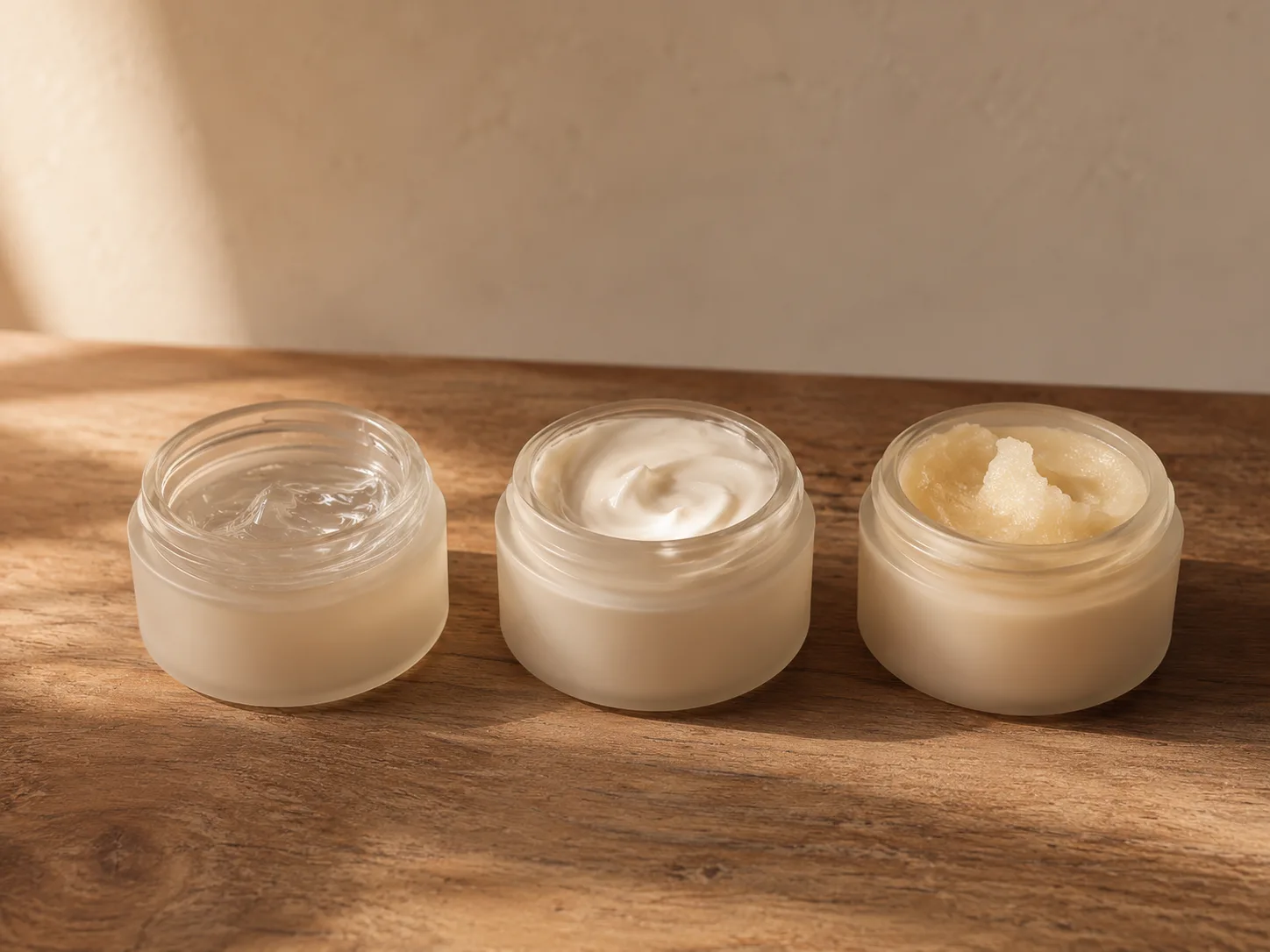
A well-built cream typically combines a humectant to bring water in, an emollient to smooth, and something occlusive to hold it. When a moisturiser disappoints, it is often because it is doing only one of the three, and not the one you needed.
Reading a product without the marketing
You do not need to memorise ingredient lists. It is usually enough to ask: is this thing bringing water in, smoothing the surface, or sealing it? And is that what my skin was asking for?