Retinoids are the most studied category in skincare, and also the one most often abandoned in week three. Almost always for the same reason: nobody explained the adjustment period before it started.
What to expect
Dryness, some flaking, a slightly tight or rough feeling, and occasionally a period where skin looks worse before it looks settled. This is common, it is not a sign of damage in itself, and it typically eases as skin adapts.
What is not part of a normal adjustment: persistent burning, swelling, weeping, or redness that spreads. That is a reason to stop and, if it continues, to speak to a doctor or pharmacist.
How to make it manageable
- Start with a low strength, twice a week, at night. Not nightly. Not two strengths.
- Use a pea-sized amount for the whole face. More is not faster; it is just more irritation.
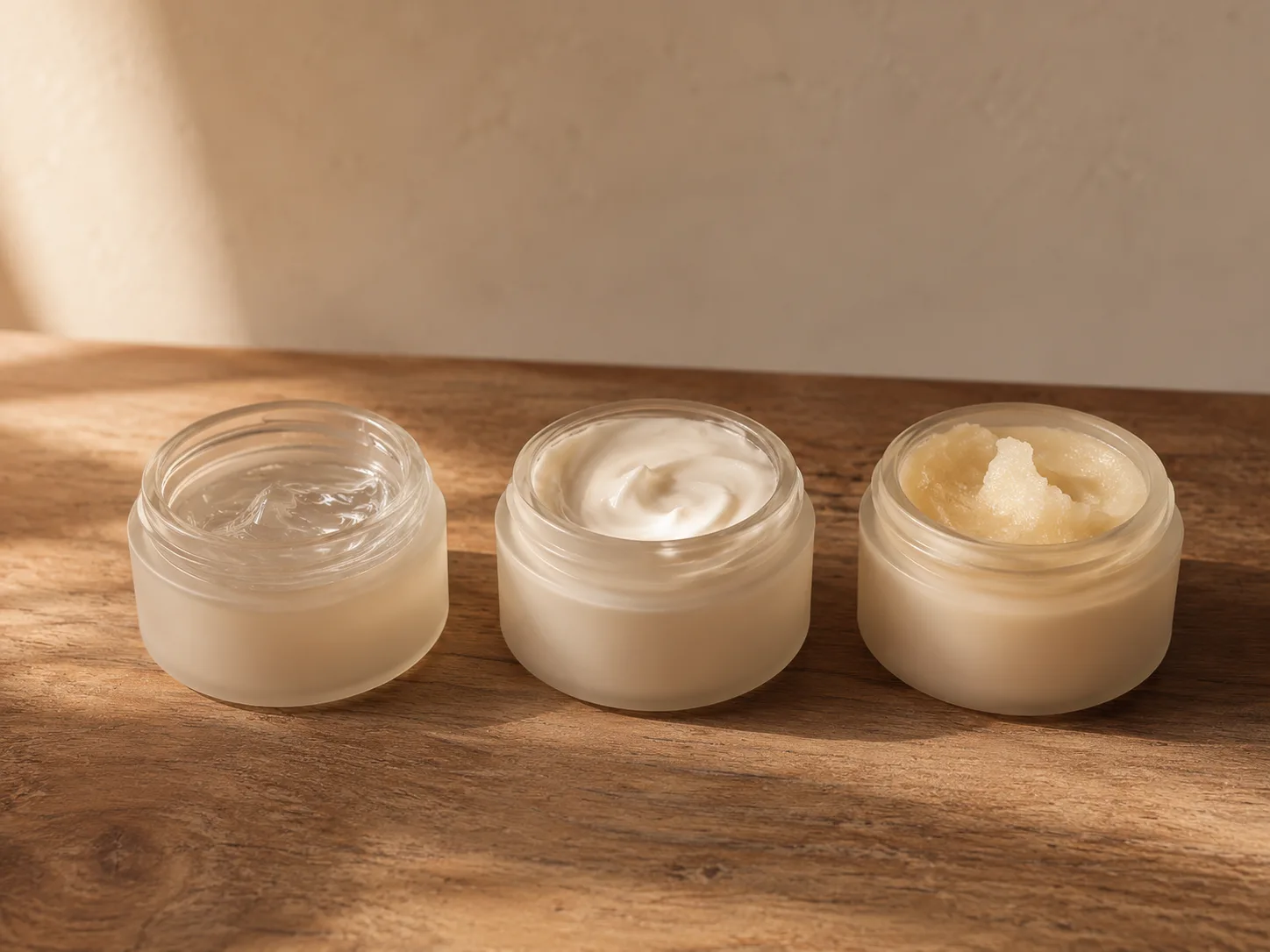
- Buffer it: moisturiser first, retinoid on top, or retinoid sandwiched between two layers of moisturiser. This slows delivery and is a legitimate technique, not cheating.
- Increase frequency only once the current frequency is comfortable — which may take a month or more.
- Pause other actives while you settle in. Adding an exfoliating acid at the same time is the classic way to end up with a compromised barrier.
Sunscreen is not optional here
Retinoids can leave skin more sensitive to sun, and sun exposure works directly against most of the reasons people use them. Daily sunscreen is part of the routine, not an accessory to it.
An important exception
Retinoids are not recommended during pregnancy or while trying to conceive, and advice varies while breastfeeding. This is a question for a doctor or pharmacist, not for a skincare article.
The realistic timeline
Adjustment takes weeks. Results take longer. If you are going to use a retinoid, the plan should be measured in seasons, and the version that works is the one you can tolerate consistently rather than the strongest one you can buy.